
Puerto Rico must free itself from slow permits, excessive licenses, and high taxes to transform its productive potential into real growth, says Francisco Rodríguez Castro.
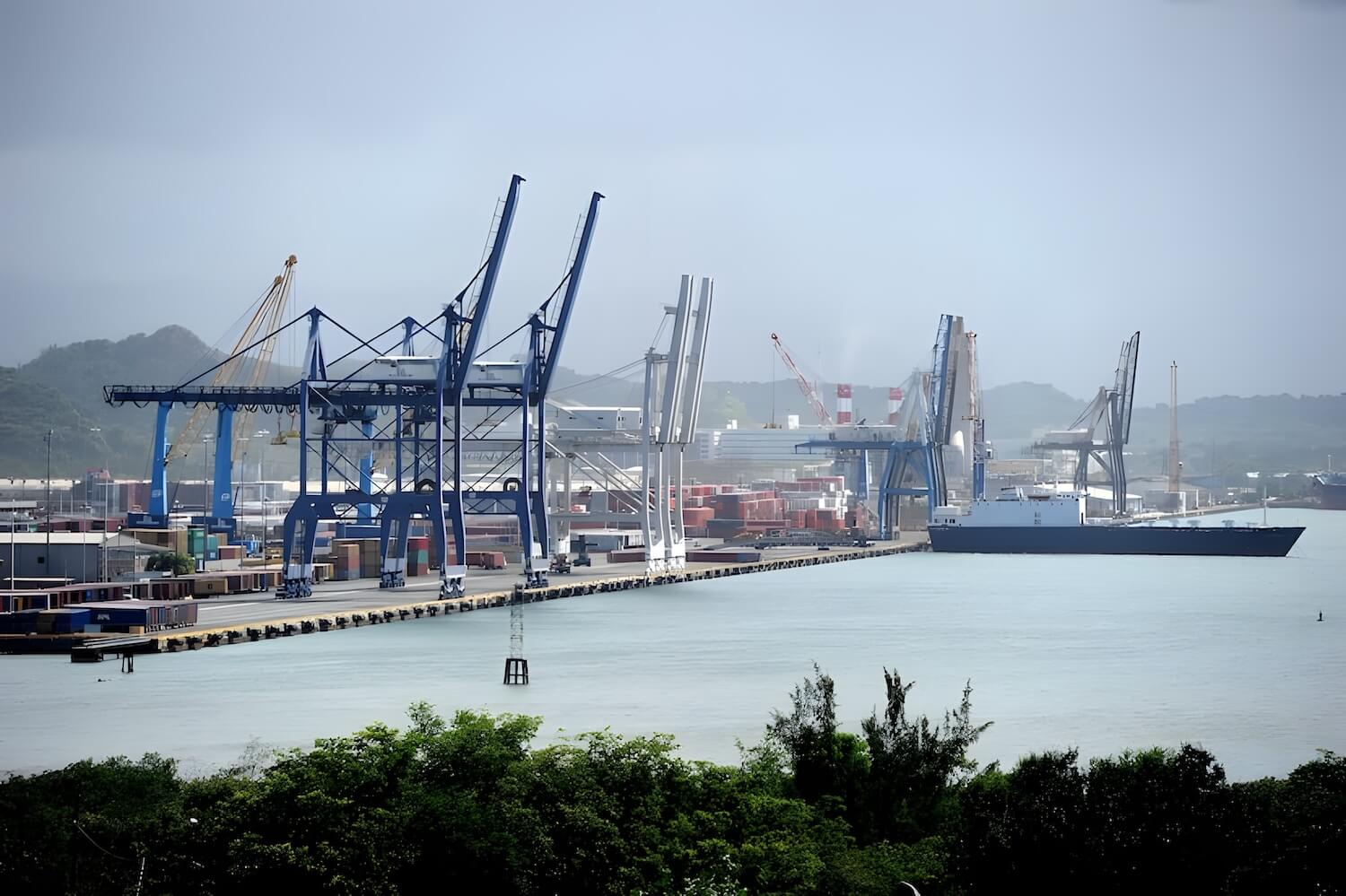
View of the docks in San Juan (carlos.rivera@gfrmedia.com)
Every nation faces a decisive moment when it must choose between dragging along the failures of the past or committing to truly transformative change. Puerto Rico is experiencing that moment now. After two decades of stagnation, mass migration, institutional fragility, and loss of confidence, the island paradoxically possesses the most powerful industrial base in the Western Hemisphere. That potential, however, has not translated into broad or sustained prosperity.
The explanation is not strictly economic. It is institutional.
The data clearly reveals this. With 46.3% of its domestic product derived from manufacturing, Puerto Rico surpasses Germany, South Korea, and Singapore. It exports more than $63 billion annually in medical devices, biotechnology, pharmaceuticals, and aerospace components. Its Purchasing Managers' Index (PMI) consistently outperforms that of the United States, evidence of a robust and resilient industrial ecosystem.
The inevitable question is: How can a country with such a strong productive base remain stagnant?
The answer is provided by the Fraser Institute's economic freedom assessment. Puerto Rico ranks 51st, last among states and territories, with a score of 2.13—60% below the U.S. average. It is a structural diagnosis. The island has the worst performance in government spending, taxes, and labor freedom, and ranks last or tied in seven of the ten variables evaluated.
This is not theory. The lack of economic freedom is evident in a labor participation rate of 45.1%; per capita income 60% lower than the US average; a poverty level of 45%; and 47% of households dependent on food stamps to feed themselves. These are symptoms of a system dominated by slow permits, excessive licenses, price controls, excessive state intervention, high taxes, and a bureaucracy that discourages investment and job creation.
Although the economy shows growth in certain periods, it almost always comes from external stimuli. Once these are exhausted, the island returns to its trend since 2006: low, fragile, and dependent growth.
However, 2025 marks a turning point. The global wave of manufacturing relocation—driven, among other factors, by President Trump's Universal Import Tariff—has repositioned Puerto Rico as a strategic link in the U.S. industrial network. Between February and October 2025, the island attracted $2.06 billion in new investments: the biggest industrial boom since the 1990s.
This momentum makes Puerto Rico a critical geo-economic asset for the United States. Producing essential goods on U.S. territory, under federal regulations and without exposure to global tariffs, makes the island a pillar of national resilience.
However, true transformation will depend on internal decisions.
The 12 Transformative Goals for Puerto Rico 2030—raising labor participation to 60%, creating 300,000 jobs, achieving real growth of more than 4%, increasing median income by 40%, modernizing the energy system, and legislating full economic freedom—offer a clear, measurable, and achievable roadmap.
With economic freedom—full and sustained—the economy could expand rapidly: nominal GDP would rise from $125.8 billion to nearly $190 billion by 2030 and could double by 2040. It would be the island's most prosperous period in modern times.
Puerto Rico does not lack capacity; it lacks freedom. It does not need to rescue its economy, but to liberate it. History shows that nations progress when their people decide that potential is no longer enough.
The future of Puerto Rico will not be written in the stars, but in the decisions we make together—here and now—to establish and achieve the agenda we define today.
This article was originally published in Spanish by El Nuevo Día.