
Inequality determines who survives the storm and who is left without a paddle, warns Francisco Rodríguez Castro.
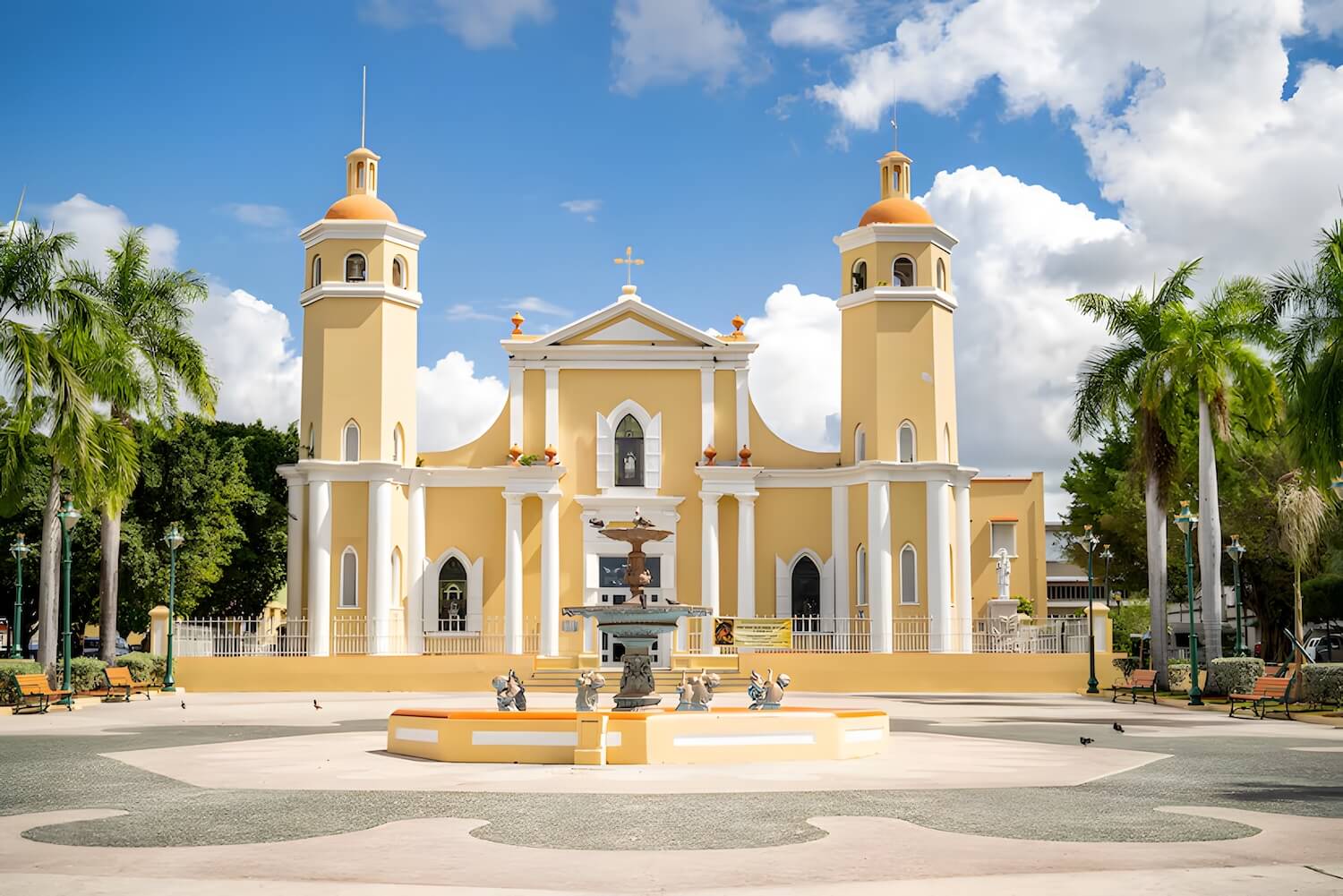
If we draw an imaginary line from Manatí to Juana Díaz, we discover two different Puerto Ricos. In the photo, the Juana Díaz playground. (Isabel Ferré Sadurní)
We often hear the phrase “we're all in the same boat,” as if crises affect us all equally. But the reality is very different: we are not in the same boat, even though we are facing the same storm.
Some are sailing in yachts, with resources and protection; others, in sailboats with torn sails and unstable rudders; most, in kayaks, paddling against the current. And many, unfortunately, are drowning, without help or hope. That is the reality Puerto Rico is experiencing today.
If we draw an imaginary line from Manatí to Juana Díaz, we discover two different Puerto Ricos. West of that line, municipalities face persistent poverty, high unemployment, and few job opportunities. The average household income there is just $22,419, which is 28.14% below the federal poverty level of $31,200. It is a region where the daily struggle to survive replaces the hope for progress.
East of that line, the story changes: the median household income reaches $32,949, and in the San Juan–Guaynabo metropolitan area it reaches $43,479. Even so, it remains at a modest level, just above the poverty line, yet it shows the enormous gap between regions. This economic chasm explains why voters' priorities and concerns differ so greatly across the country and why political discourse often fails to connect with those who need it most.
These disparities are more than just numbers: they are the manifestation of deep structural inequality. For decades, Puerto Rico has suffered fiscal crises, hurricanes, earthquakes, a pandemic, and, more recently, persistent inflation that erodes purchasing power. Each new storm hits those who have the least the hardest.
The problem, however, goes beyond the current situation. The root cause lies in the lack of economic freedom and a model that limits productive investment, stifles private initiative with bureaucracy, and concentrates opportunities in a few hands.
Puerto Rico needs to unleash its potential with policies that encourage job creation, promote technical education, reduce dependency, and foster productivity.
At times like these, empathy and solidarity must become our collective compass. Kindness and compassion are not minor gestures but acts of leadership. When we help those who are drowning, share our tools, or lift those who have fallen, we are building the moral and economic foundation of a more just country.
We have the capacity to weather the storm, but only if we understand that saving our own boats is not enough. We must create conditions where everyone can sail safely, where resilience is not a privilege but a right, and where progress is measured by shared dignity.
Because, in the end, success is not about reaching port first, but about everyone reaching it.
The storm will pass, and when the skies clear, let us remember that every storm eventually ends.
This article was originally published in Spanish by El Nuevo Día.